
WIFT Vic Chats: CHIFF Artistic Director, Thomas Caldwell
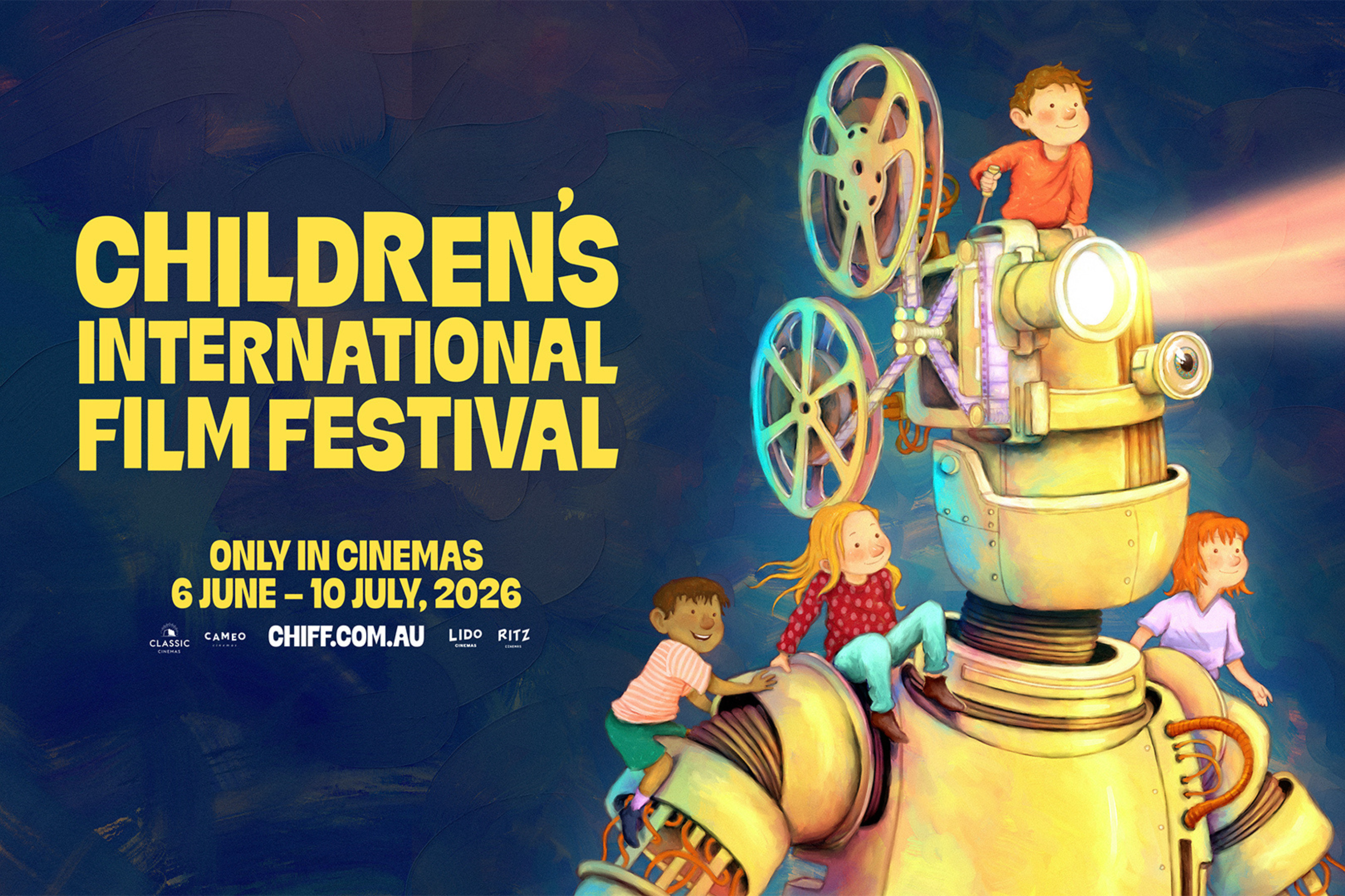
Children’s International Film Festival poster 2026
Great children’s cinema doesn’t just entertain; it casts a spell. For Thomas Caldwell, Artistic Director and Programmer of the Children’s International Film Festival (CHIFF), it’s about keeping that spell alive, opening doors to wonder, expanding young imaginations and reminding audiences of all ages what it feels like to see the world through a child’s eyes.
Founded by Moving Story in 2018, CHIFF was created with a simple but powerful vision: to bring the very best international children’s films to Australian audiences. Despite launching during the COVID-19 pandemic, the festival has continued to grow, offering families access to stories they might never otherwise encounter.
Before joining CHIFF, Thomas worked as a programmer for the Melbourne International Film Festival (MIFF), but his passion for connecting audiences with extraordinary films has found a natural home in children’s cinema. While programming might appear glamorous from the outside, he jokes that much of it involves “spreadsheets and emails.” Yet that work fades into the background when a special film emerges.
“There’s a moment,” he explains, “when you’re watching a film and within the first 10 or 15 minutes you just know it’s going to connect with audiences.” Those moments, he says, make everything else worthwhile.
Like many film lovers, Thomas’s appreciation for cinema began in childhood. One formative influence was The Secret of NIMH, a film he plans to share with his own son. For him, its lasting power lies in its ability to connect generations through shared storytelling and emotional experience.
Becoming a parent has also sharpened his perspective on what children notice on screen. He recalls his son questioning why some children’s shows feature only one female character among a cast of boys, a simple observation that underscores how quickly young audiences recognise imbalance. It is one reason Thomas is committed to moving beyond the old “Smurfette Principle” , an outdated media trope of one girl among the boys and supporting stories that reflect a wider range of voices and experiences.
Rather than treating inclusion as a final checklist, CHIFF actively builds it into the programming process from the outset. That means questioning assumptions, reflecting on who each program is for, and recognising that ideas of “normal” are often shaped by individual experience.
This commitment is reflected in CHIFF’s 2026 program, which features films such as Tales from the Magic Garden, a Czech stop-motion story exploring grief and loss, Kayara, about a determined young Inca girl pursuing her dream of becoming a messenger, and My Life in Versailles, a gentle narrative about reconciliation and understanding difference. Across the lineup, there is also a strong presence of women in key creative leadership roles across directing, writing and producing, helping shape a program defined by diverse perspectives behind the camera.
At a time when the world can often feel divided, Thomas believes audiences are increasingly drawn to stories that reflect different cultural experiences while revealing shared human truths. That’s exactly what CHIFF strives to deliver.
Children deserve cinematic experiences that respect their intelligence, spark their imagination and help them understand the world around them. That is what CHIFF delivers: windows into other lives, and a foundation for empathy, curiosity and connection.
